

- What's the link between make-up and acne
- How to choose non-comedogenic make-up for blemish-prone skin
- Prepping your skin before make-up with acne
- Proper make-up application technique for acne-prone skin
- Removing make-up: the step you shouldn't skip
- Skincare after removing make-up
- Tips for keeping skin healthy while wearing make-up
What's the link between make-up and acne

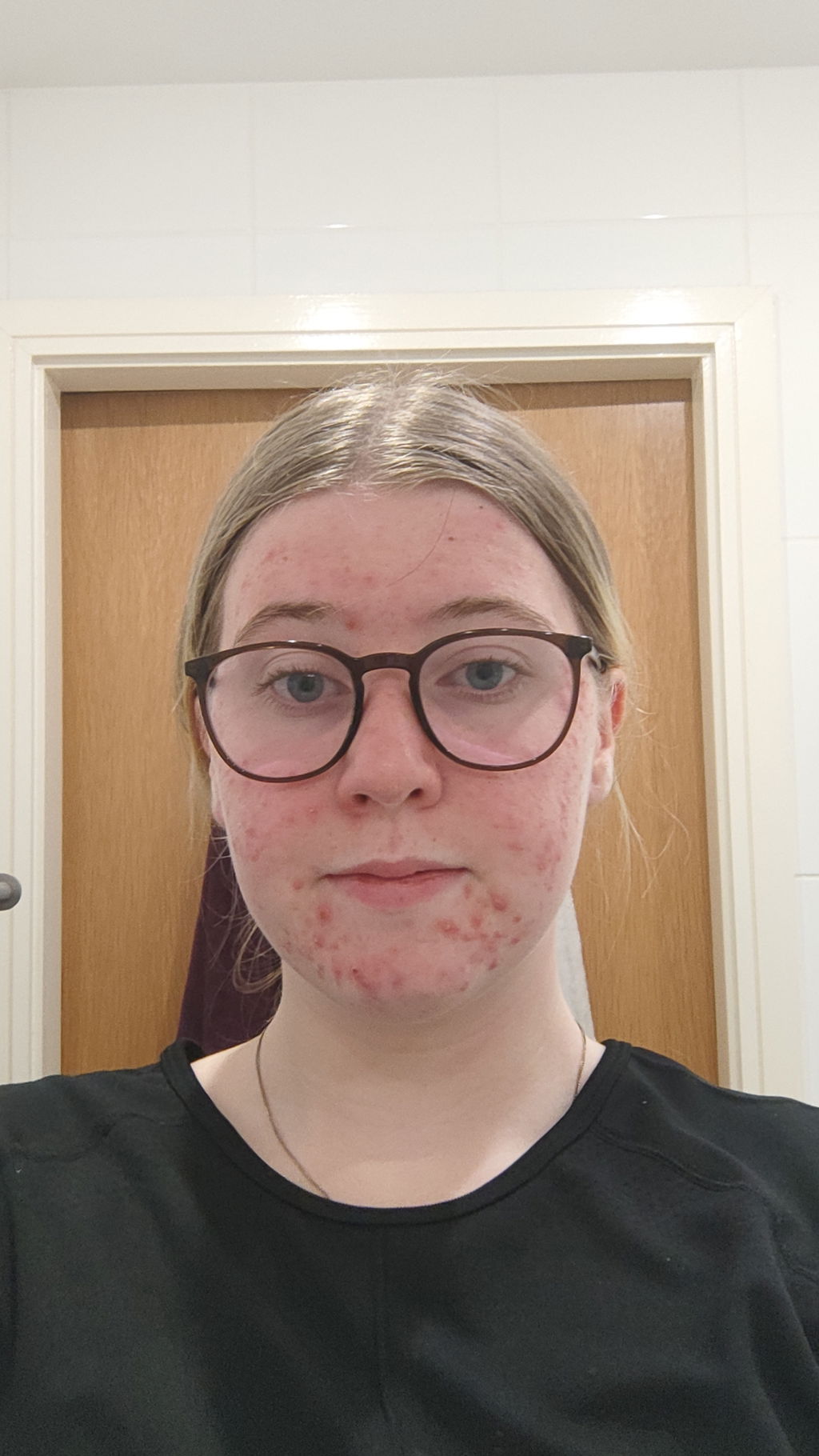
Make-up can be both an ally and a challenge for people with blemish-prone skin. It helps cover redness, but some formulas can block pores and trigger new breakouts. That's why choosing the right products matters for balancing make-up and acne.
- Choose non-comedogenic make-up with a light, lightweight texture.
- Wash your brushes and sponges at least once a week.
- Apply products in thin layers.
- Remove your make-up every evening, before bed.
- Sleeping with make-up on.
- Heavy, oily foundation across your whole face.
- Sharing brushes and sponges with others.
- Frequently switching products in your routine.
How to choose non-comedogenic make-up for blemish-prone skin

Choosing the right products is key when looking for make-up for blemish-prone skin. Look for labels that say "non-comedogenic" and "hypoallergenic":
Foundation: liquid or mineral, with no added oils. Mineral make-up is light and doesn't block pores.
Powder: a translucent, talc-free mattifying powder that won't irritate the skin.
Concealer: a product with antibacterial properties that helps cover inflamed areas.
Blush and eyeshadow: mineral-based or oil-free formulas.
- A "non-comedogenic" label on the packaging.
- A light, gel or fluid texture, rather than a heavy cream.
- No silicones or mineral oils near the top of the ingredients list.
- Patch tested on a small area of skin before full use.
Prepping your skin before make-up with acne

Proper skin prep is the foundation for successful make-up with acne. Cleanse your face with a gentle product for blemish-prone skin, avoiding harsh formulas that dry out the skin.
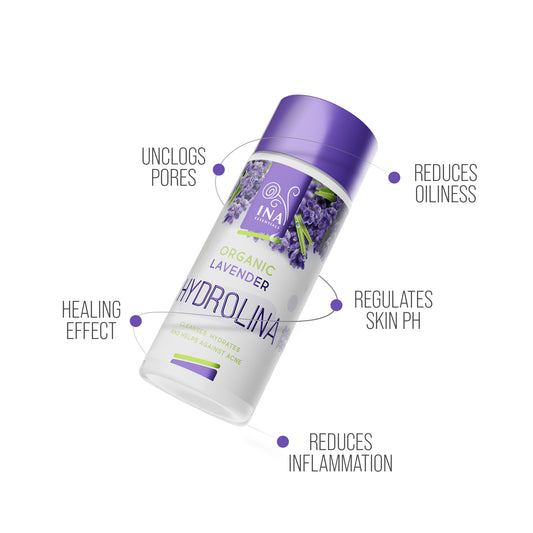
Follow with a toner or floral lavender water, which helps balance the skin's pH level. Even with oily skin, don't skip a light moisturiser, and if you use a make-up primer, choose a non-comedogenic formula that creates a barrier between your skin and your make-up.
Proper make-up application technique for acne-prone skin

How you apply your products directly affects your skin. Make sure your brushes and sponges are clean, and wash them regularly with an antibacterial soap. Apply make-up in thin layers so the skin can breathe more easily. Avoid going over the same spot repeatedly with product, as the friction causes further irritation.
Removing make-up: the step you shouldn't skip
Removing your make-up is just as important as applying it. Never go to bed with make-up on, as this increases the risk of blocked pores and new spots. Here's the recommended evening sequence for removing make-up on blemish-prone skin.

| Removal method | Benefits | Who it suits |
|---|---|---|
| Micellar water | Gentle, no rinsing needed if in a hurry, suitable for daily use | Light make-up, sensitive skin |
| Bi-phase remover | Effectively removes waterproof make-up | Heavy or waterproof make-up, needs thorough rinsing |
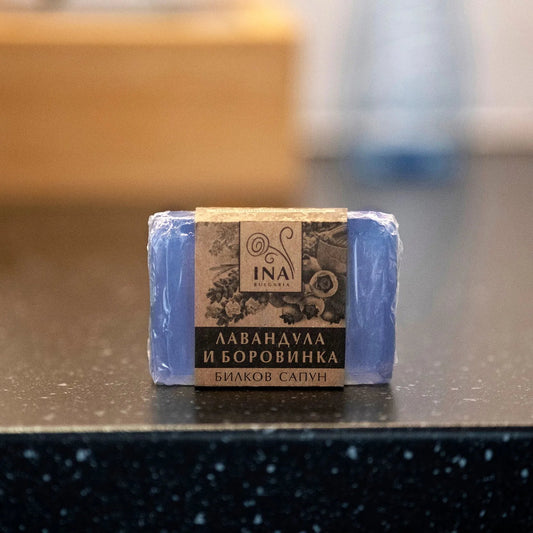
| Gentle herbal soap | Cleanses deeply, preps the skin for evening care | Second step after removing the main make-up layer |
Skincare after removing make-up

After removing your make-up, your skin needs attention. A toner removes any leftover cleanser, while a light, non-comedogenic moisturiser keeps it balanced overnight.
For inflamed spots, you can apply lavender essential oil diluted in a carrier oil, locally, only on the blemish itself. Build a routine and stick to it consistently, since frequently switching products can irritate the skin further.
Tips for keeping skin healthy while wearing make-up

Healthy skin is the best base for any make-up look. Eat foods rich in vitamins and antioxidants, and drink enough water during the day. Clean your phone screen regularly, as it carries bacteria onto your face, and look for ways to reduce stress, which often worsens acne.
If you wear a face mask over make-up for a long time, be mindful of so-called "maskne": friction, heat and cosmetics under a mask can trigger extra breakouts, so it's best to keep make-up even lighter in that area.
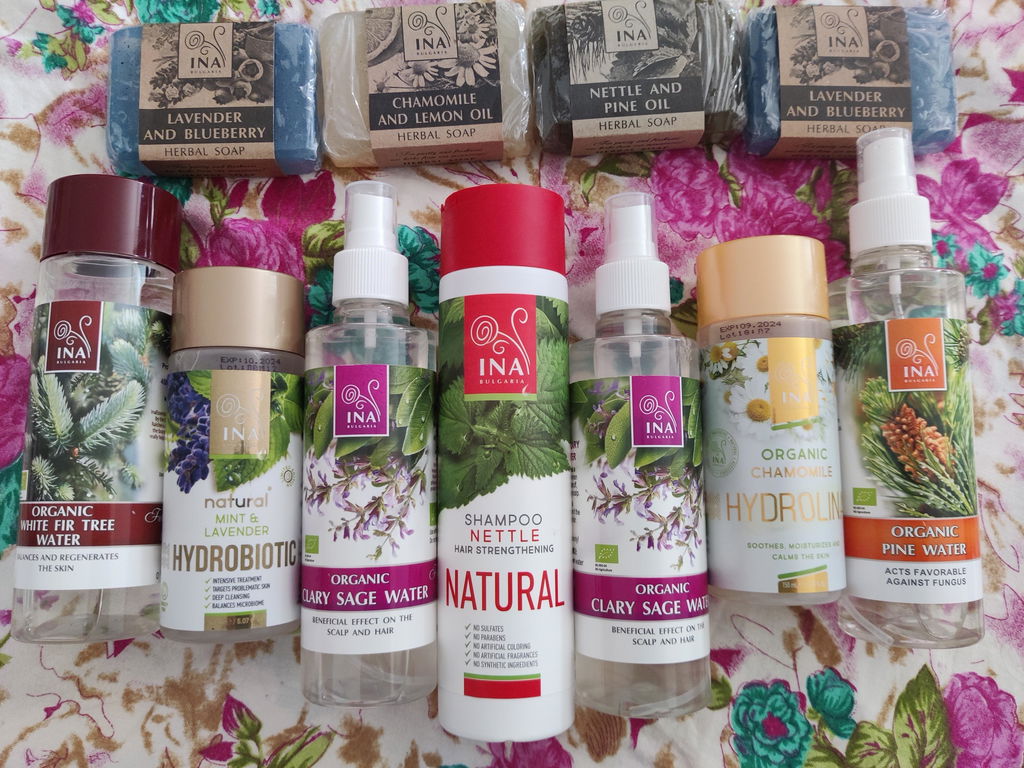
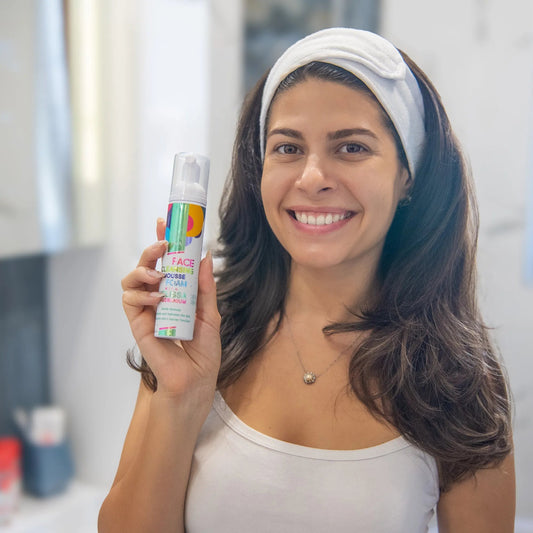
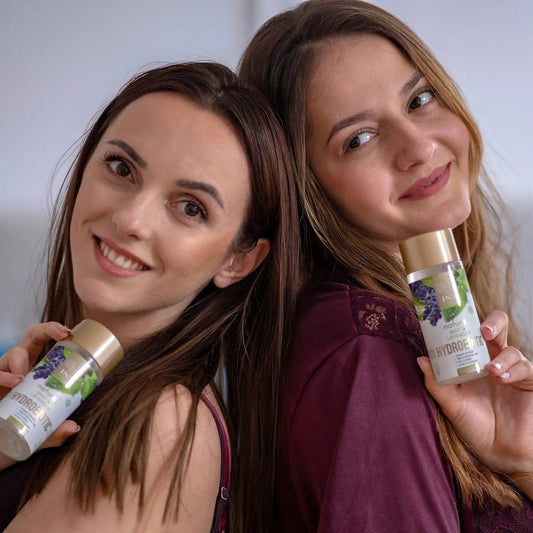
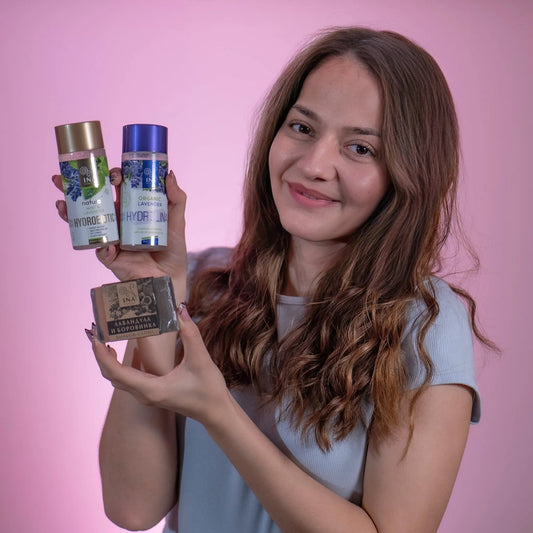
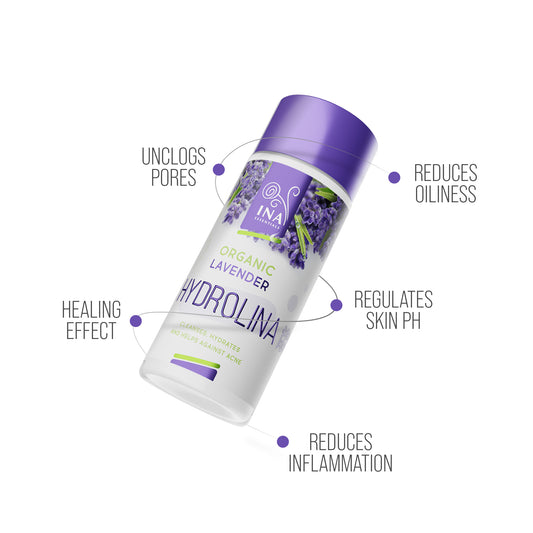
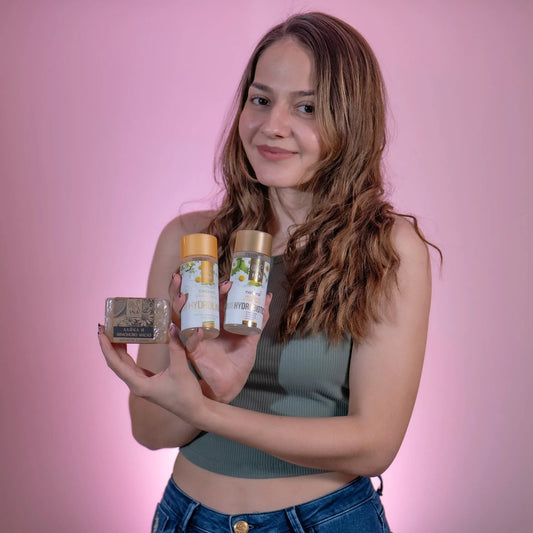
Also worth exploring: Hydrobiotic - Lavender & Mint (€24.99), great for refreshing skin after removing make-up.
Removes make-up residue and impurities without drying out the skin.
Helps support skin comfort and reduces the feeling of irritation after the day.
Gives a feeling of freshness and tones the skin after removing make-up.
Helps balance sebum for oily skin prone to acne.

This lavender and mint hydrolat blend supports the skin's barrier and is a great choice right after your evening make-up removal routine.

For a complete solution, alongside your evening care, take a look at the full routine below.
Acne RoutINA™
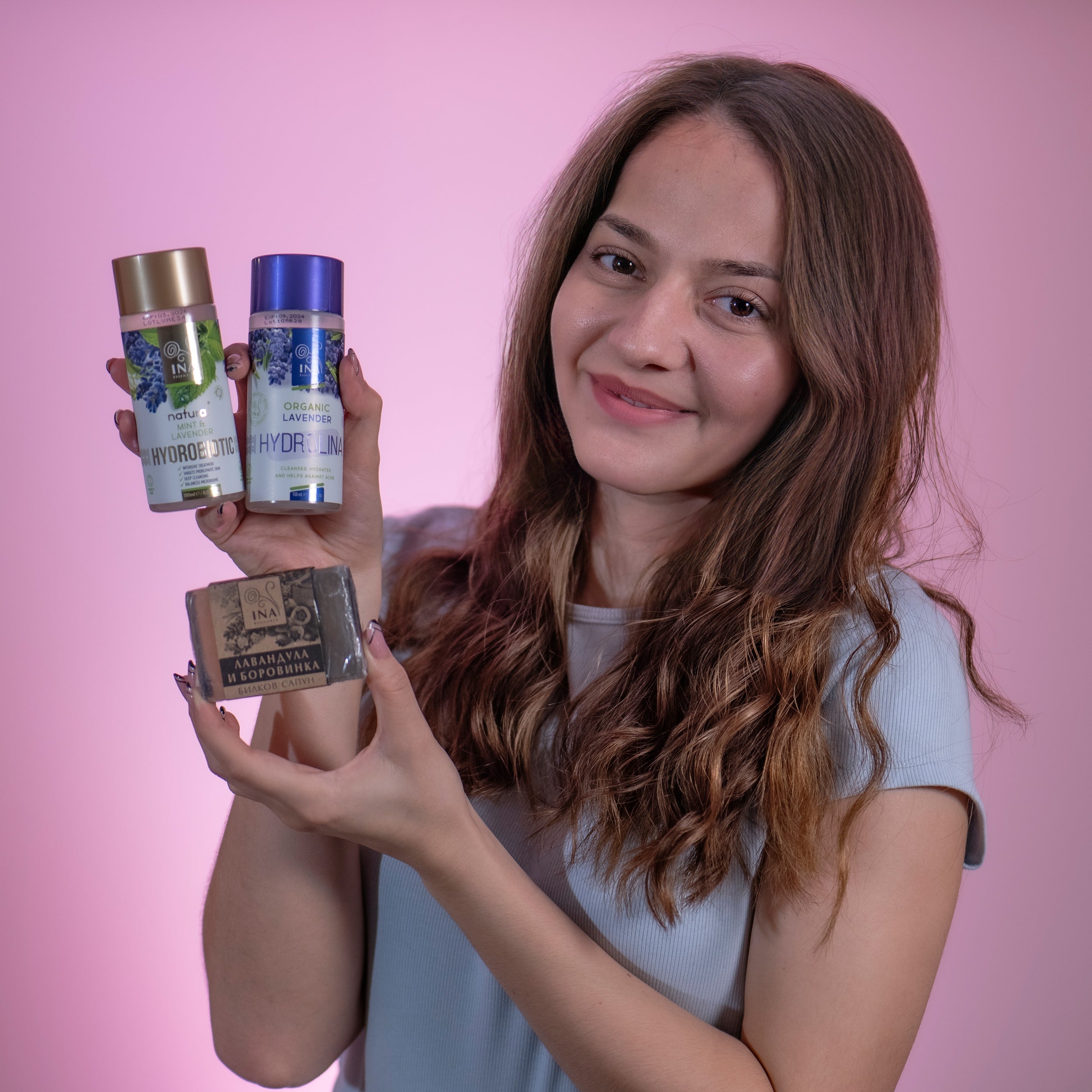
A 90-day natural routine for daytime care and overnight recovery.
Howya:) Your products are absolutely lovely... Stay well and keep 'er lit with this quality always!
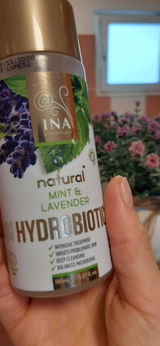
Cheers! It really is a product that gets results. ❤
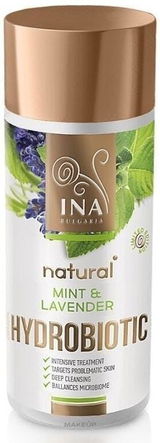
I'm absolutely delighted with them, they've really got something about them. My skin is way better than it used to be.
About the InaEssentials family

InaEssentials is a Bulgarian family business with over 25 years of experience in organic farming and natural cosmetics using rose oil, herbal waters and ingredients from our own plantations. Every product is created with care for the skin and respect for nature.
Frequently asked questions

Important information
This article is for informational purposes only and does not replace consultation with a doctor or dermatologist. InaEssentials products are cosmetic, not medicinal, and results can vary from person to person.