

Updated: August 2026
At the end of the summer chronic eczema is usually more reactive: chlorine, sea salt, sun cream and air-conditioned rooms have been drying the skin barrier for weeks, and the return to school and work in September brings back stress and long days indoors. This is the moment to keep the long-term routine going rather than to stop it — lukewarm showers, cream on skin that is still damp, cotton next to the skin and a few calm minutes a day for the barrier, even while the skin looks quiet.
Chronic Eczema – Long-Term Skin Care
Life with chronic eczema often feels like an endless cycle of flare-ups and short-lived relief. But a chronic condition is not a life sentence — it is a signal that your skin needs consistent support, not temporary aggressive measures.
What you will learn in this article:
- 📍 What is chronic eczema and why doesn't it go away?
- 📍 How to manage symptoms in the long term?
- 📍 Life in remission: Habits that make the difference
- 📍 How does our soothing cream support recovery?
- 📍 The secret of the ingredients: What's inside?
- 📍 Corticosteroids vs. Natural Care
- 📍 Diet and eczema: What should we avoid?
- 📍 InaEssentials: From our organic gardens to your home
- 📍 Frequently asked questions
What is chronic eczema?
Chronic eczema is a condition in which the inflammatory process in the skin does not fully subside. While acute eczema (contact dermatitis) can appear and disappear quickly, chronic eczema leads to changes in the very structure of the skin — it becomes thicker (lichenification), darker, and persistently dry.
How do we manage the symptoms?
Long-term management of chronic eczema focuses on three main pillars:
- 🧴 Consistent hydration: Moisturise the skin at least 2–3 times daily.
- 🛀 Bath control: Use lukewarm water and avoid sulphates (SLS).
- 👕 Trigger elimination: Avoid synthetic fabrics and wool.
- 🧘 Stress management: Reduce emotional tension to prevent flare-ups.
Habits that can help
To keep your skin calm for longer, small everyday choices actually matter a great deal:
- The wet skin method: Apply moisturiser within 3 minutes of showering, while the skin is still damp, to "lock in" moisture.
- Double rinse your clothes: Even organic detergents can leave residue. Run an extra rinse cycle for your underwear and bed linen.
- Air humidity: During winter, use a humidifier in the bedroom.
How does our Soothing Cream support the skin?
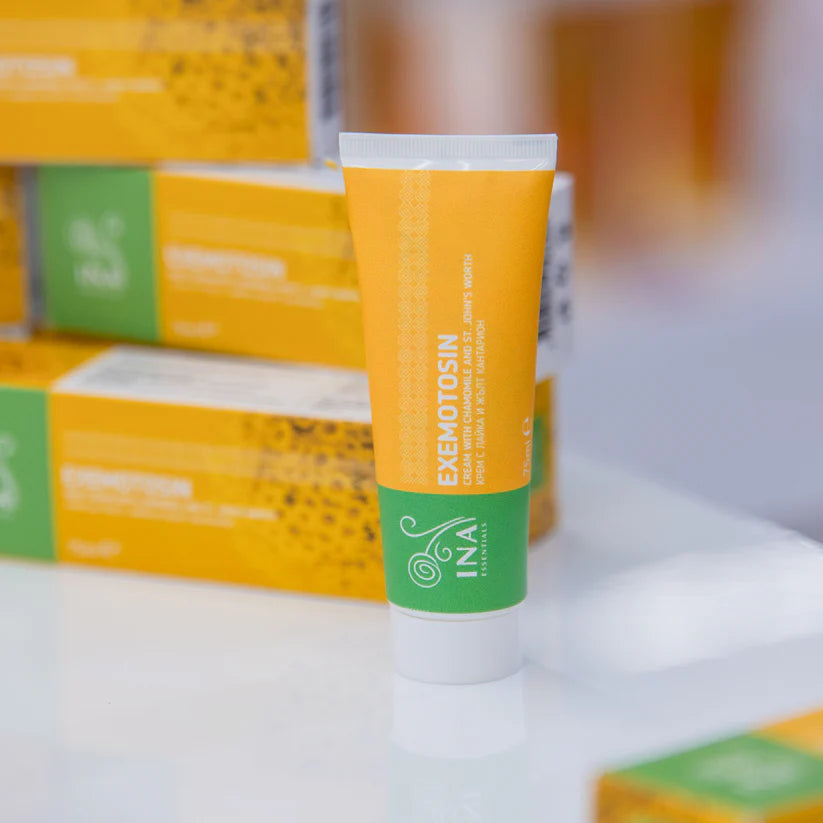
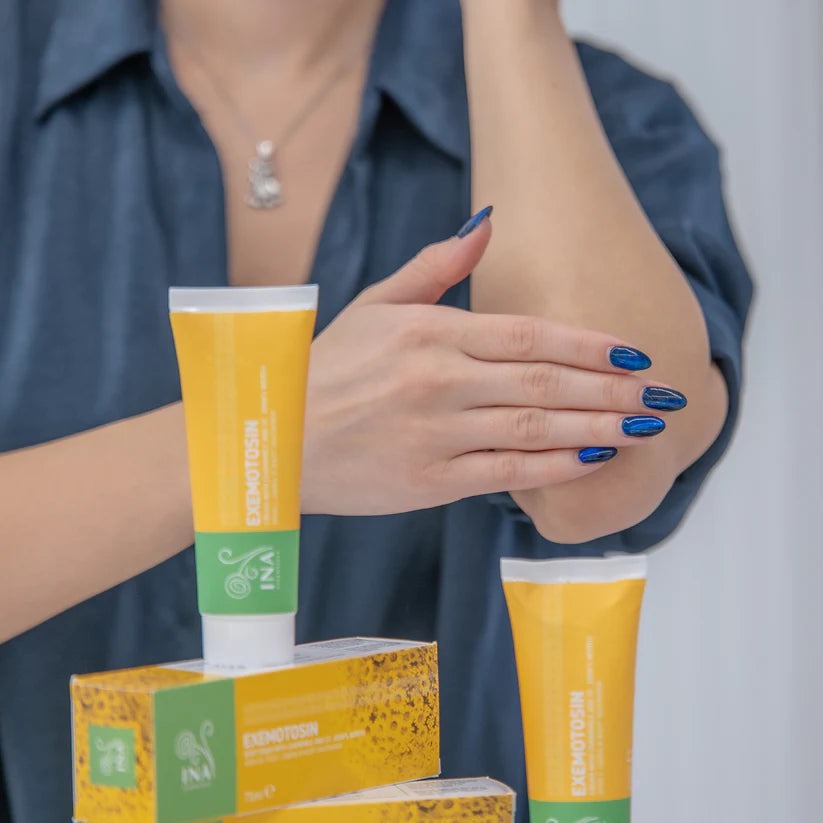
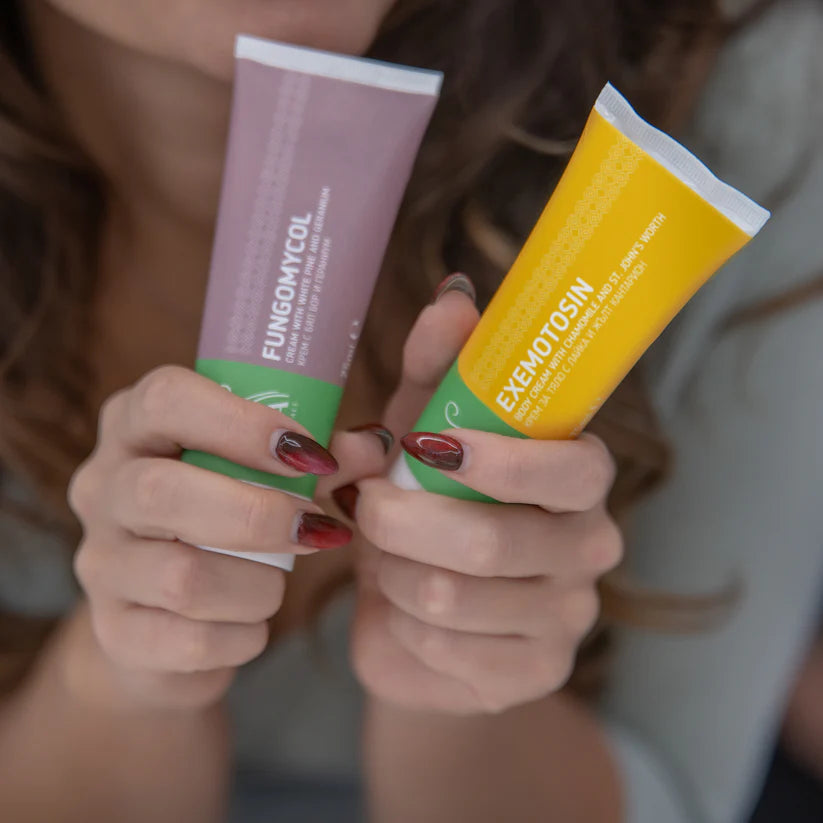
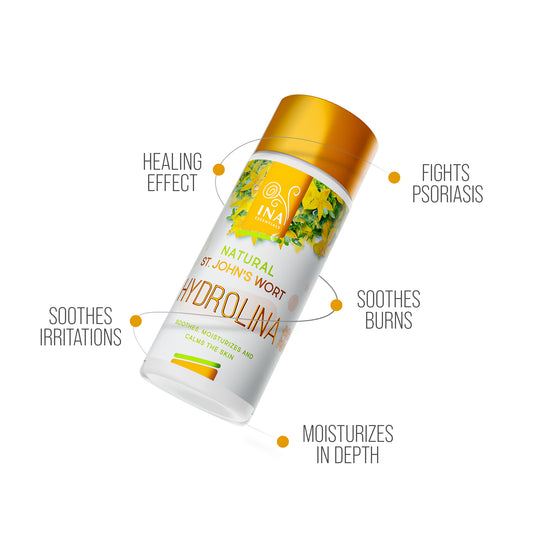
Our Soothing Cream with St. John's Wort, Chamomile and Propolis works to help the skin restore its integrity naturally.

The secret of the ingredients: How do they work?
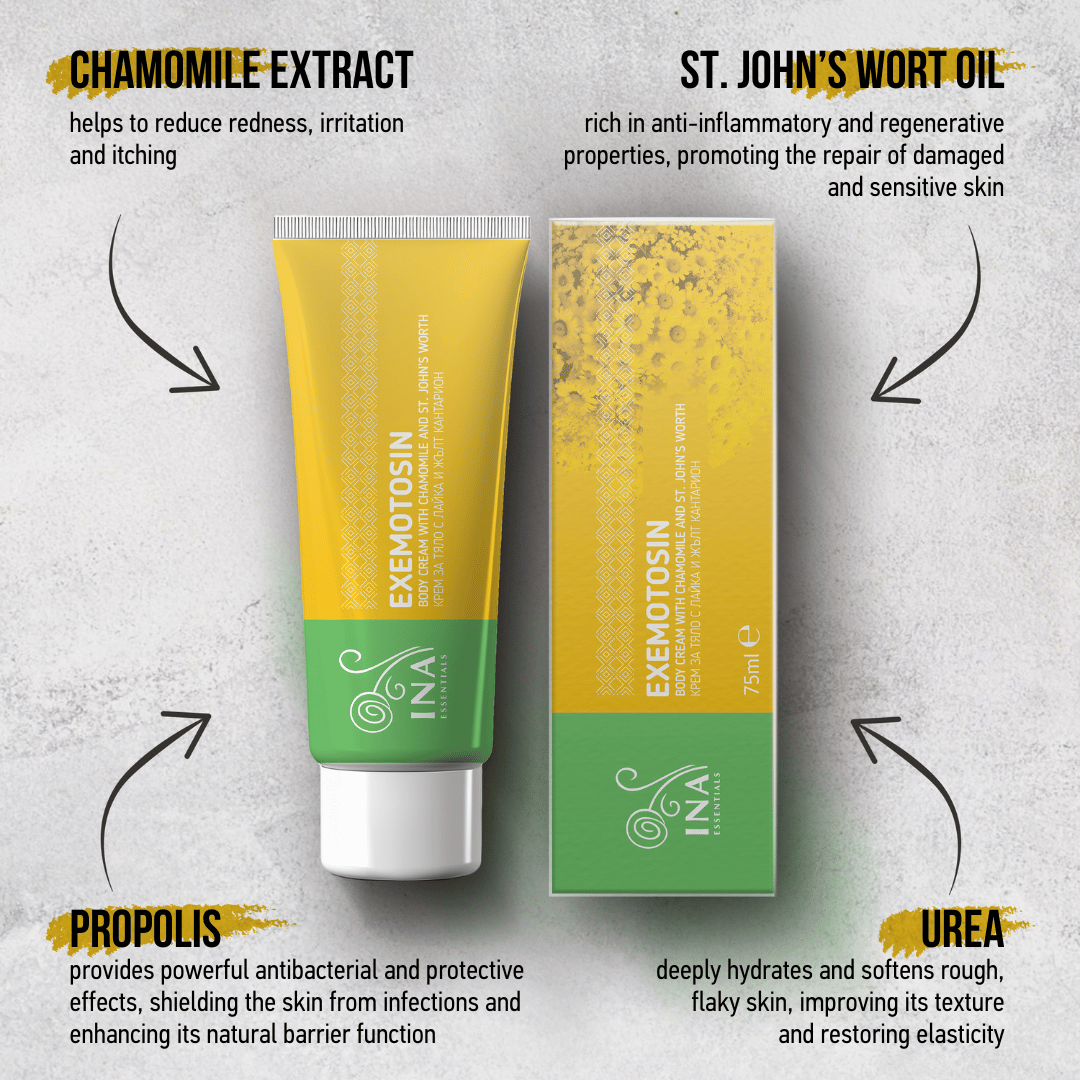
We believe in the power of pure extracts. Here is why each ingredient in our cream has a specific role:
- 🌿 St. John's Wort: Contains hypericin, which speeds up cell regeneration. It literally helps the "cracked" skin close more quickly.
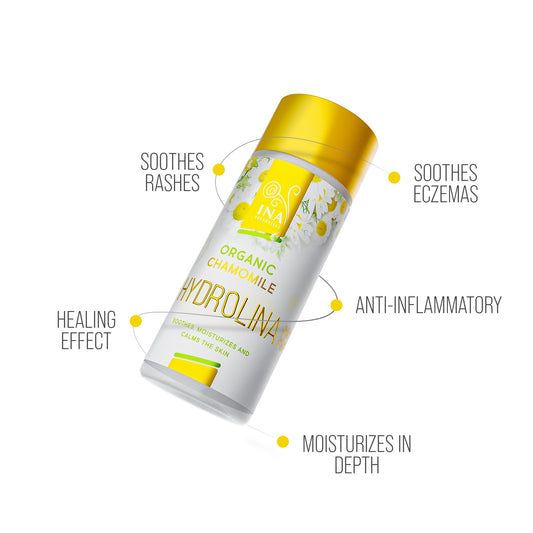
- 🌼 Organic Chamomile: Has powerful anti-inflammatory properties. It soothes the histamine reaction that causes unbearable itching.
- 🐝 Propolis: Nature's antibiotic. It creates an invisible protective film that prevents bacteria from entering wounds and causing infection.
- 🥥 Urea: Helps exfoliate dead skin cells and improves the condition of rough and thickened skin. Plays a role in improving the skin barrier function. Enhances the cream's efficacy.
What our customers share:
"The cream is light, absorbs quickly and leaves no sticky layer. My skin was dry from the cold and from washing with cleaning products and hot water — the cream removed the rough patches, soothed the redness and made the skin visibly healthier."
— Sarah Murphy
— Aoife O'Brien
Corticosteroids vs. Natural Care: What is the risk?
Many people turn to corticosteroid ointments for a quick result. While they are effective during acute crises, long-term use can lead to the so-called "skin thinning" (atrophy). Natural alternatives do not carry these side effects and are ideal for ongoing supportive care year after year.
Diet for chronic eczema: What should we avoid?
The connection between the gut and the skin is undeniable. With chronic eczema, it is recommended to limit strongly inflammatory foods:
- 🚫 Refined sugar
- 🚫 Dairy products
- 🚫 Gluten
- 🚫 Preservatives
🎁 A gift for our readers!
Use the special promo code for a 10% discount on your next order:
BLOG10
*Enter the code in your cart before checkout.
InaEssentials: From Our Organic Gardens to Your Home

Family Mission
We grow our herbs using organic farming, without pesticides or chemicals. We control the entire process to ensure you receive the purest and most effective product.
Frequently Asked Questions
When eczema is chronic (atopic dermatitis, for example), it cannot be cured. The aim of proper care is to achieve long-lasting remission, in which symptoms are absent or much less pronounced.
During acute periods – 2 to 3 times a day on clean skin. For maintenance, once a day is sufficient, preferably in the evening.
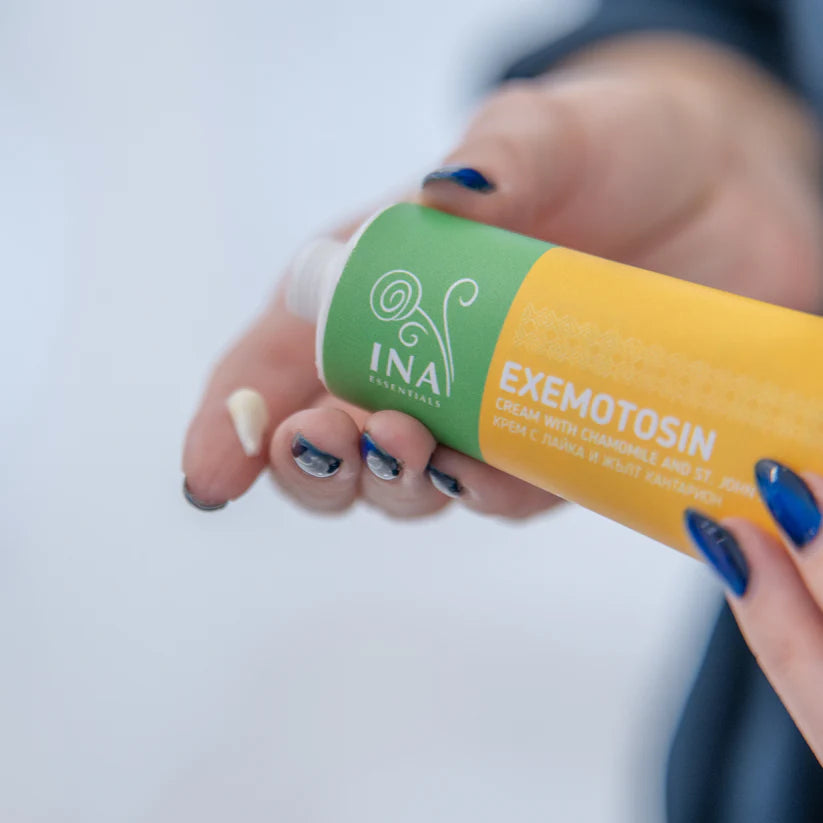
We recommend waiting 2–3 minutes for it to absorb fully before getting dressed.
The cream is natural, but for babies under 6 months we always recommend consulting a paediatrician and performing a sensitivity test on a small area first.
In a dry, cool place, away from direct sunlight, to preserve the active herbal ingredients.