

Broken capillaries on the legs are widened surface vessels, as thin as a hair, that show through the skin in red, blue or purple. They appear when the vessel wall loses its elasticity because of heredity, long hours standing, hormonal changes, heat or excess weight. They do not hurt and they are not a medical emergency, but they do not shrink back on their own. What genuinely helps day to day is a combination of movement, cooling, compression when needed and regular skin care with actives such as horse chestnut and smoke tree.
- What broken capillaries are
- Causes of broken capillaries on the legs
- Varicose veins or broken capillaries
- Broken capillaries on the face and nose
- Daily care that reduces visibility
- Folk remedies: which ones make sense
- Cream for broken capillaries with horse chestnut
- What people using it say
- When capillaries call for a specialist
- Frequently asked questions
1What broken capillaries on the legs are
The name is colloquial and a little misleading. These vessels are not broken in the literal sense, meaning there is no blood leaking under the skin. What we are talking about are widened surface capillaries and venules, which under normal conditions are so thin that they cannot be seen. When their wall slackens and the opening widens, the vessel begins to show through the skin.
In medicine the same thing is called telangiectasia, and in everyday language you will also hear spider veins or thread veins. On the legs they most often appear on the outer thigh, behind the knee and on the calf. The colour tells you how deep the vessel sits: red ones are the most superficial, while blue and purple ones lie a little deeper.

Here is what matters in practice. Once widened, a capillary does not return to its original diameter on its own. That is why daily care has a double aim: to support the skin and the feeling in your legs, and to limit the conditions in which new vessels appear.
2Causes of broken capillaries on the legs
There is rarely a single cause. Usually several factors come together, act over years and finally show on the surface.
- Heredity. If your mother or grandmother has spider veins, the chance of them appearing on you is considerably higher.
- Sex and hormones. Oestrogen affects the tone of the vessel wall, which is why women notice them more often and earlier.
- Age. Over the years the skin thins and the vessels beneath it become more visible, even when the vessels themselves have not changed much.
- Thin, fair skin. On it the same vessel shows through more strongly than on denser skin.
- Long hours standing or sitting. Lack of movement is the most underrated factor: without the calf working, blood pools in the lower limbs.
- Heat. Hot baths, saunas, sunbeds and long sun exposure widen the vessels.
- Excess weight. Every extra kilogram increases the load on the venous system in your legs.
- Tight clothes and high heels. Both make venous return harder.
- Injuries and aggressive cosmetic treatments. A harsh scrub, hot wax hair removal or a knock can leave a local vascular mark.
If most of the second column sounds familiar, have a look at how movement and fitness affect the veins. A working calf is the cheapest prevention you have.
3Varicose veins or broken capillaries: how to tell them apart
The two are related but they are not the same thing, and confusing them leads to the wrong expectations. Here is a short comparison you can use in front of the mirror.
Broken capillaries are often the first visible sign that the venous system in your legs is under strain. They are not a compulsory step towards varicose veins, but in some people the two go together. The full picture of the second condition is set out in the detailed guide to varicose veins.

4Broken capillaries on the face and nose: why they are a different case
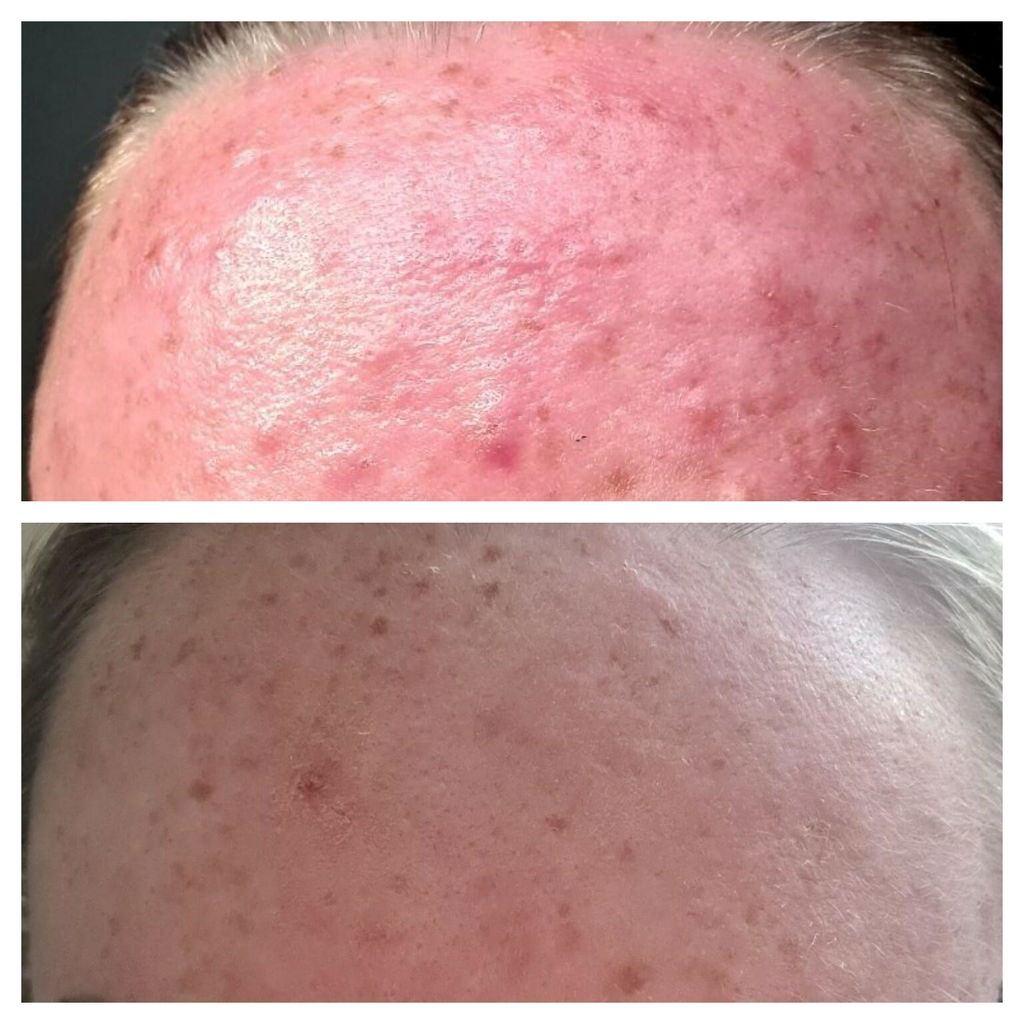
Searches for broken capillaries on the face are almost as common as for the legs, but the cause there is different. On the cheeks, around the nose and on the chin, vessels show up because of temperature swings, wind, alcohol, spicy food, hot drinks and conditions such as rosacea. Gravity and venous return, which are decisive on the legs, barely play a part here.
That is why the care is different too. For the face, what works is a gentle cleansing routine without hot water and without abrasive exfoliants, daily sun protection and avoiding sharp temperature contrasts. A cream made for legs is not applied to the face, because the skin there is thinner and has different needs.
5Daily care that makes capillaries less visible

No cosmetic returns a widened vessel to how it was. What is entirely achievable is skin that looks more even, legs that feel lighter and new vessels that appear more slowly. Here is the order that works.

Consistency beats intensity. Five minutes every day gives more than one long ritual on a Sunday, and that difference is exactly what shows most clearly after a few weeks.
6Folk remedies for broken capillaries: which ones make sense

Home remedies are one of the most searched topics and they deserve an honest answer. Some have a sensible basis, some are harmless, and others can do damage.
If home remedies interest you, have a look at our selection of home approaches for varicose veins, where we describe how to use them in more detail.
7Cream for broken capillaries with horse chestnut and smoke tree
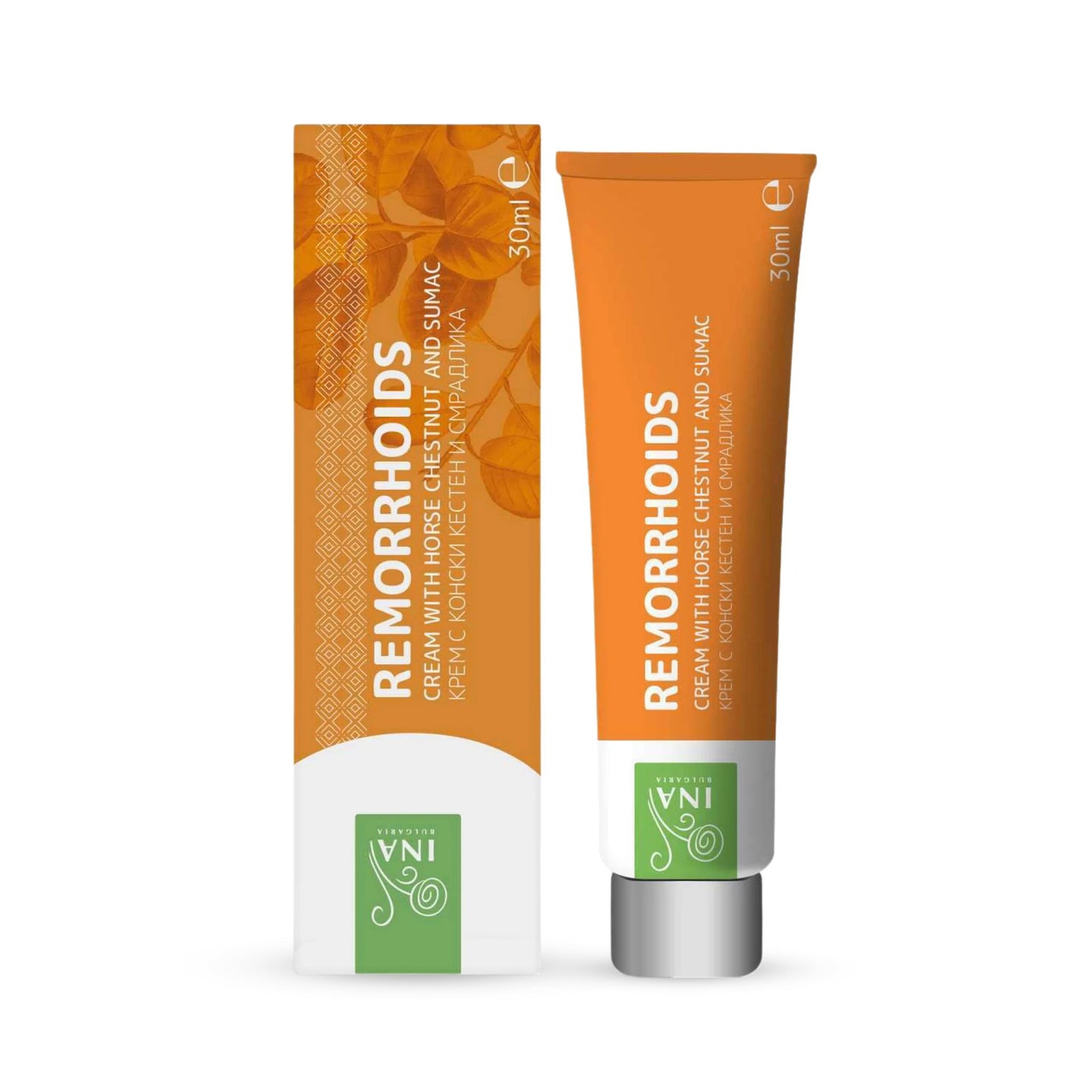
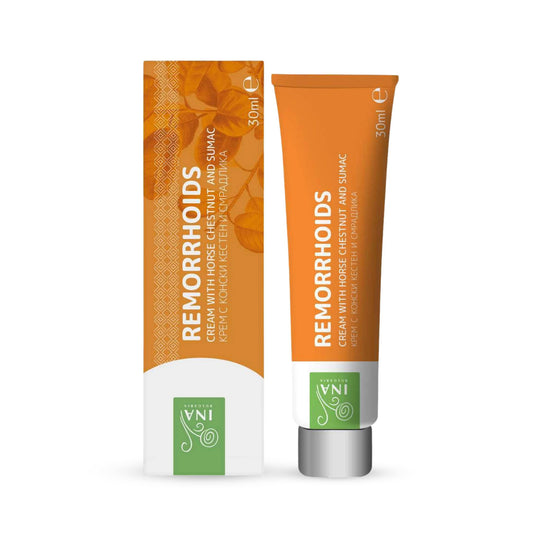
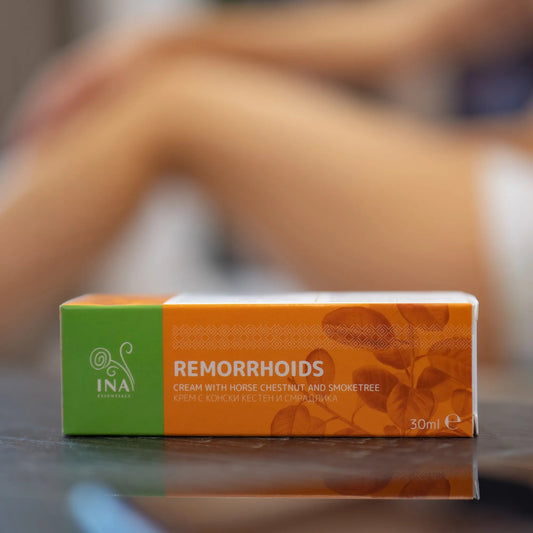
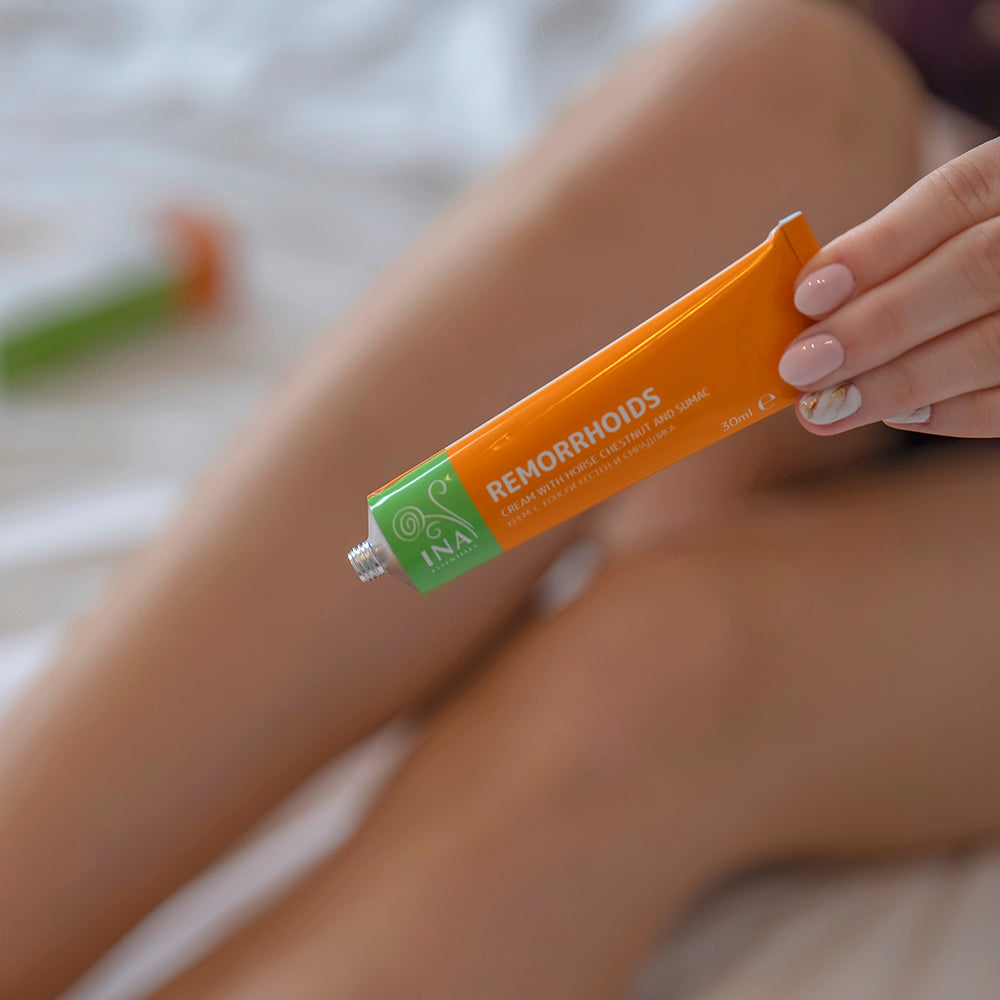
When people look for a cream for broken capillaries on the legs, they are usually after two things at once: a feeling of relief in the evening and better looking skin over time. The formula of the Soothing Cream with Horse Chestnut and Smoke Tree is built around exactly that.

The herb with the longest tradition in caring for tired legs. It has been used in European herbal medicine for centuries, and in our formula it goes in as a seed extract. We have told its story in a separate article about horse chestnut.
The Bulgarian herb the family grows on its own plantations. It gives the cream its characteristic scent and complements the chestnut in caring for the skin of the legs.
It has a soothing effect on the skin and makes the texture soft without weighing it down. It is what lets the cream spread with light massage movements without pulling.
It holds moisture in the skin and supports its renewal by stimulating collagen synthesis. Well hydrated skin looks denser, and the vessels beneath it show through more faintly.
The texture is light and absorbs quickly, so the cream can also be used in the morning under a sock or trousers. If you want a fuller evening routine for your legs, have a look at the tired legs set.
Soothing Cream with Horse Chestnut and Smoke Tree

Natural care for legs with visible vessels and a feeling of heaviness, with horse chestnut extract and smoke tree from our own plantations.
What people already using the cream say
The reviews below were published by verified buyers and are quoted word for word.
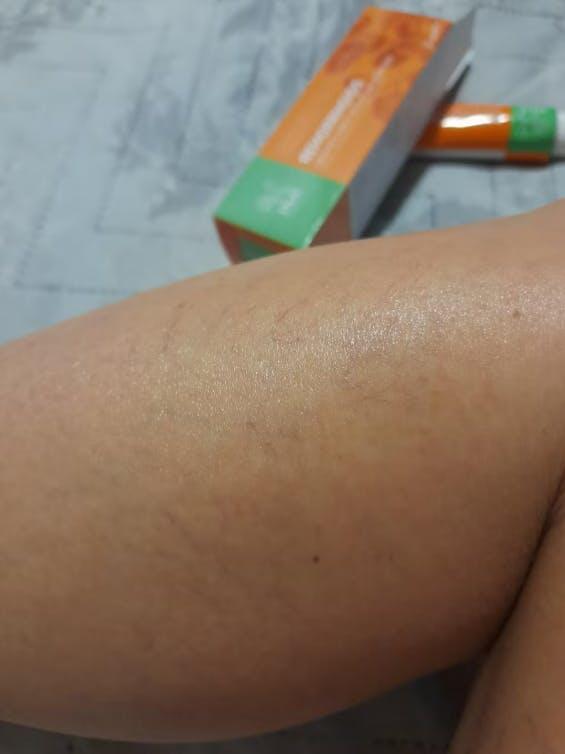
„I was pleasantly surprised by how well it worked on my capillaries — a good few of them visibly reduced after just 10 days of using it. I'd definitely recommend it to anyone with vein problems. I'll absolutely be buying it again!"
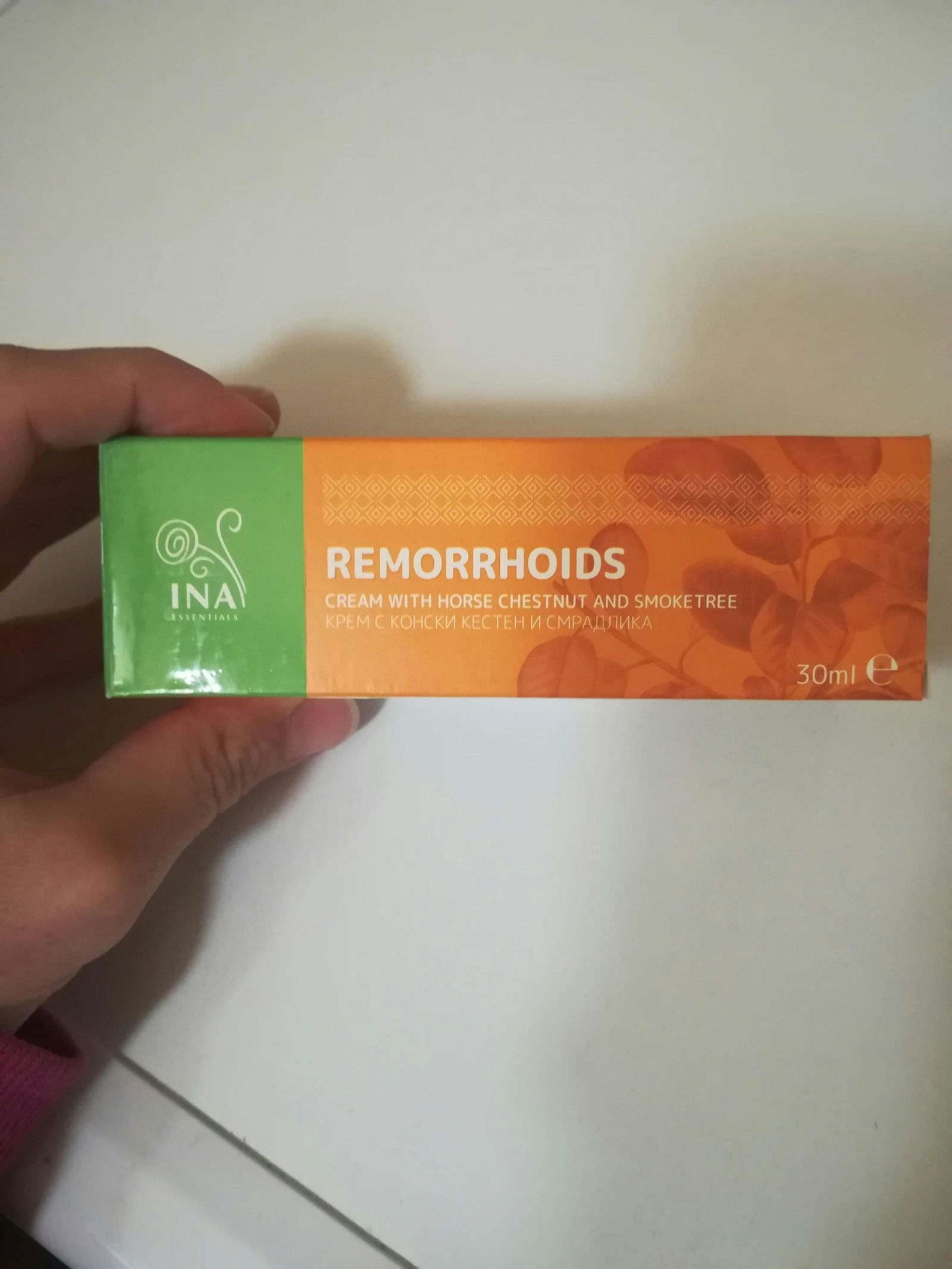
„I've only been using the cream in the evenings for about two and a half weeks now. I'm very pleased with it; it immediately soothes the pain and varicose veins. The tiredness and tension are gone. Can't recommend it enough!"
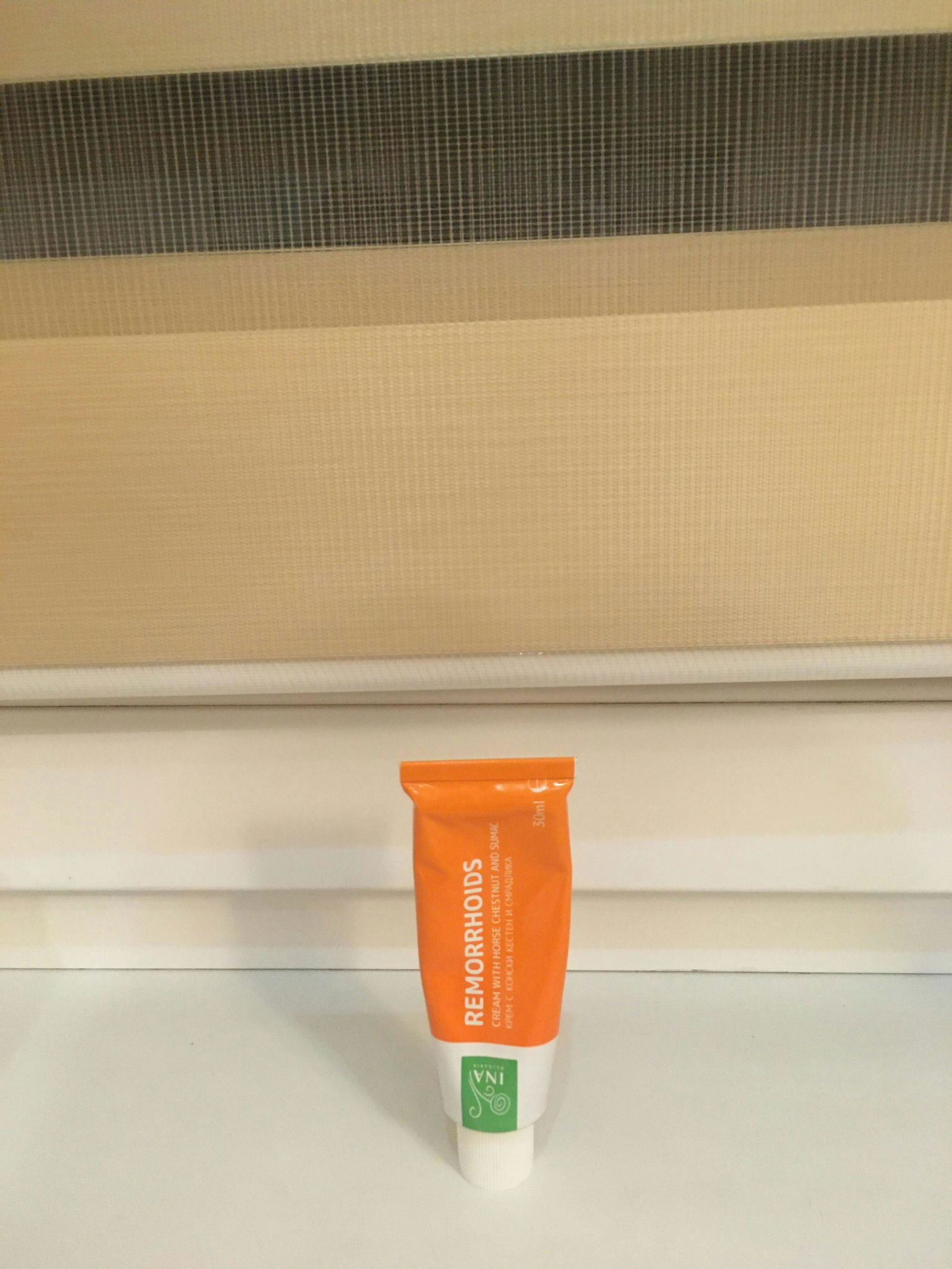
„I use it for the varicose veins on my legs and I'm happy enough with it. The price could be a bit lower, though."
„I’ve recently started using this cream and it has a lovely cooling effect. I’ve noticed a decrease in the swelling and colour of the veins. Excellent product!"
8When broken capillaries call for a specialist
In the vast majority of cases spider veins are a cosmetic matter. There are situations, however, where the conversation needs to be with a doctor rather than with a cosmetic product.
To clear an already formed network of vessels, medicine has sclerotherapy and laser methods. These are procedures rather than cosmetics, and a specialist assesses them case by case. If you want to check which claims on the subject hold up, see our myths and facts about varicose veins.
9Frequently asked questions about broken capillaries

Do broken capillaries on the legs go away on their own?
How long before I see a result from caring for my legs?
About the InaEssentials family

InaEssentials is a Bulgarian family producer with over 25 years of experience in organic farming and in natural cosmetics with rose oil, herbal waters and actives from its own plantations. Every product is created with care for the skin and respect for nature.
The Ralchevi family grows the herbs on its own plantations near Panagyurishte and follows every step from the field to the finished product. You can read more about the family's journey on our about us page.
Sources and important information
- General information on telangiectasia and chronic venous insufficiency from open medical references.
- Traditional use of horse chestnut (Aesculus hippocastanum) in European herbal medicine for the care of tired legs.
- Details of the composition and intended use of the products, from the InaEssentials product pages.
InaEssentials products are cosmetics and are not medicines. The content of this article is informational and does not replace a consultation with a specialist. In case of pain, swelling, a change in skin colour, ulceration or rapidly spreading vascular changes, seek medical help.
This article was created with the help of AI to gather and structure the information, after which it was reviewed in detail, edited and fact checked by our team.