

Updated: August 2026
By the end of summer the skin has met more possible irritants than at any other time of year: sunscreens, after-sun products, insect repellents, pool chlorine and sea salt - and September adds new autumn clothes with dyes and metal buttons plus more frequent hand washing. Rinse with fresh water after swimming, wash new clothes before wearing them, and patch-test anything new on a small area of the forearm for 48 hours.
Eczema and Allergies – What Is the Hidden Connection?
People with chronically irritated skin often ask themselves: "Why does my skin react this way?". The answer frequently lies in the immune system. Eczema and allergies are not merely co-occurring conditions – they are often part of a shared mechanism known as atopy.
In this article, we will look at:
Contact Dermatitis: Allergy or Irritation?
Contact dermatitis comes in two forms. Allergic (also called allergic eczema) occurs when the immune system specifically attacks a substance (such as nickel or fragrance). The reaction is usually delayed (24–72 hours). Irritant contact dermatitis, however, is not an allergy – it is direct damage to the skin caused by harsh chemicals or friction.
How to recognise contact dermatitis:
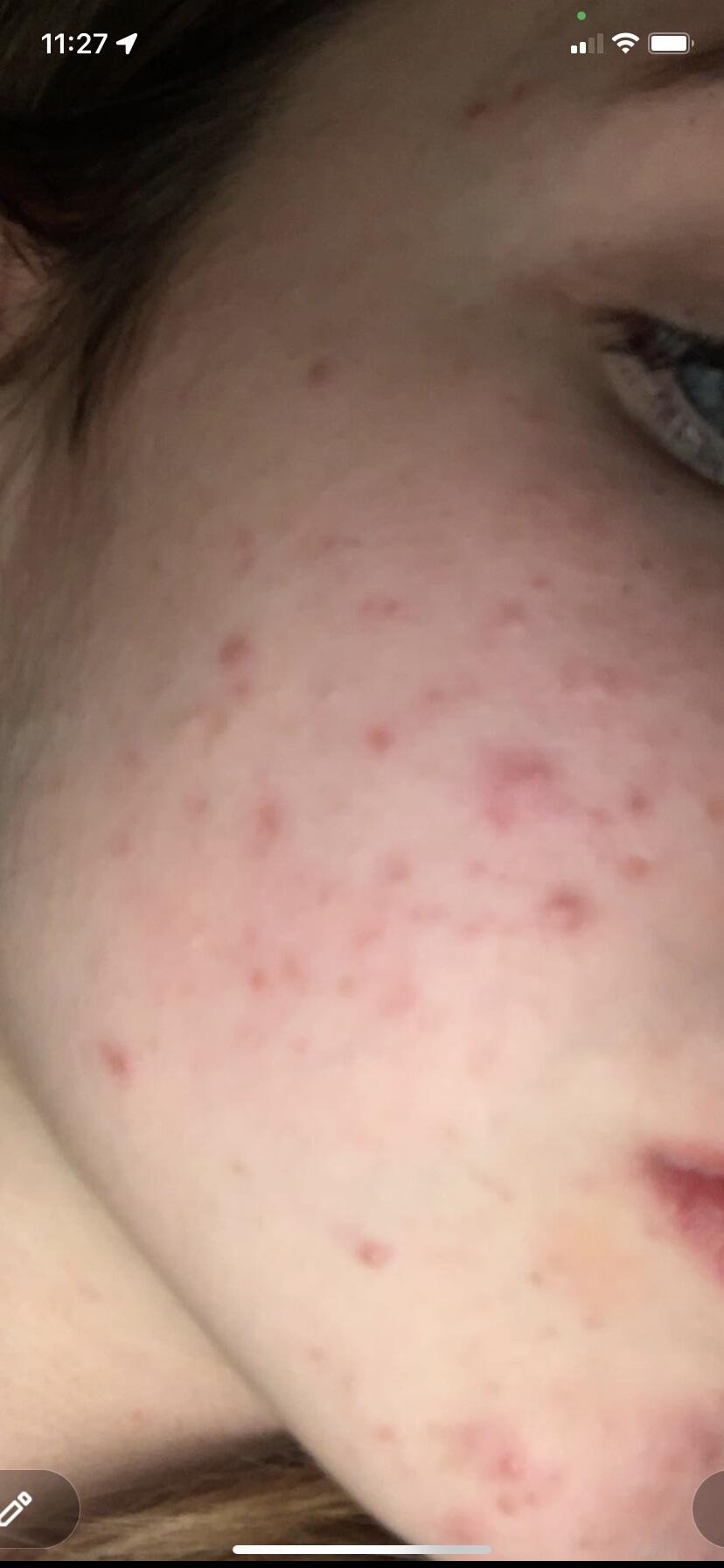
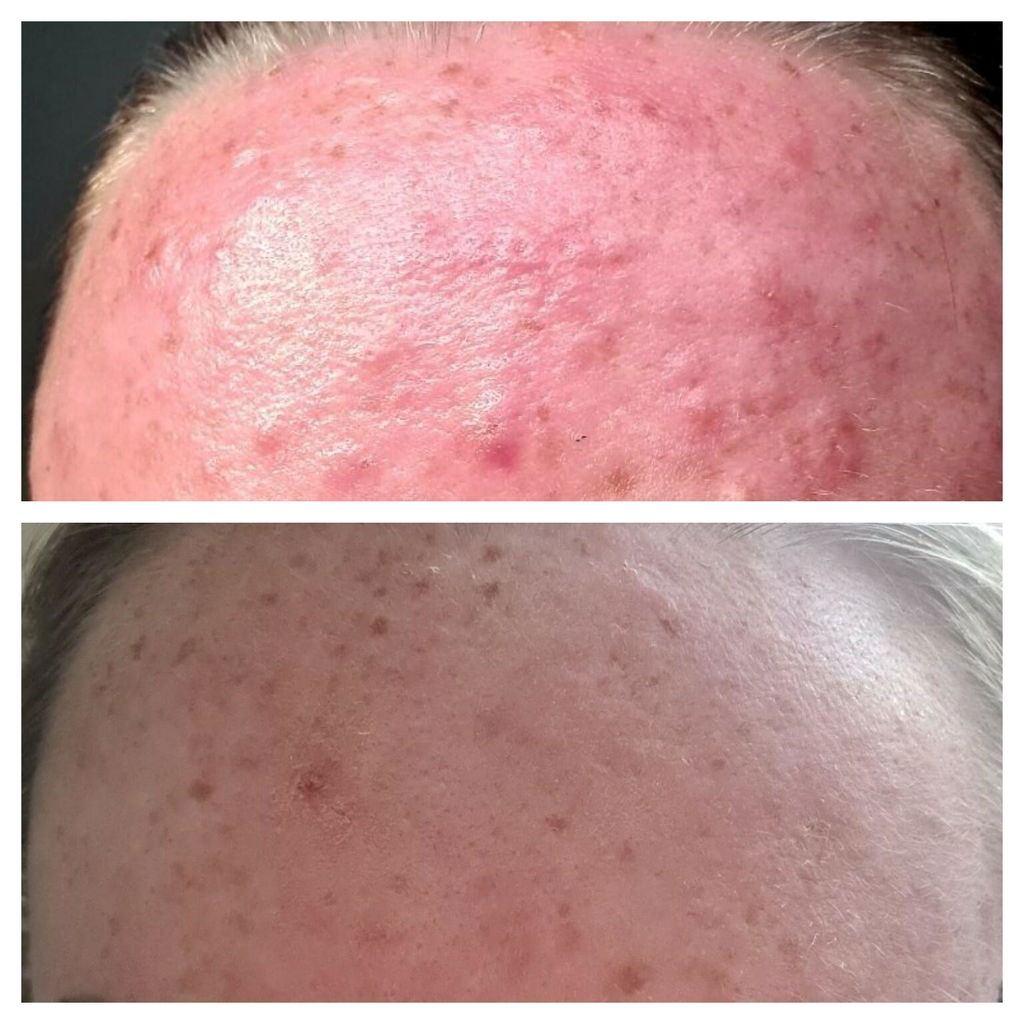
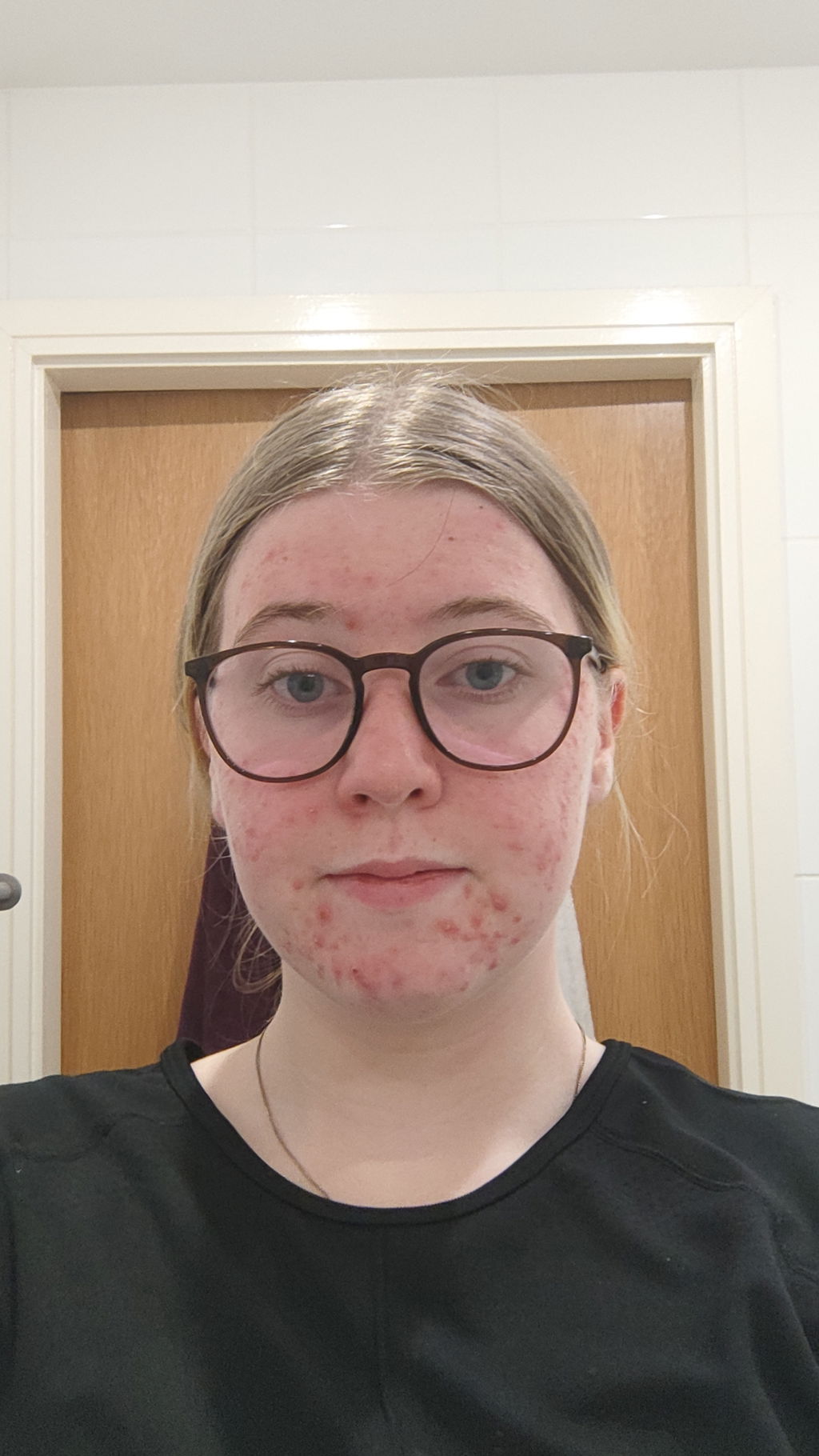
- Localised redness: The rash usually appears precisely where contact occurred.
- Intense itching: This is the most characteristic sign.
- Blisters and weeping: In the acute phase, small blisters filled with clear fluid may appear.
- Dryness and flaking: If contact is persistent, the skin becomes rough, cracked, and darkened.
Irritant or Allergic Dermatitis: How to Tell Them Apart?
Although they look similar, the two types of contact dermatitis have different mechanisms of action. This table will help you quickly understand which problem you are facing:
Reaction Triggers: The Hidden Enemies
Allergens and irritants can "awaken" eczema at any time. Here are the most common ones:
- 🧴 Cosmetic chemicals: Sulphates and aggressive fragrances.
- 🧼 Household chemicals: Strong detergents and cleaning products.
- 💍 Metals: Nickel is the most widespread trigger.
- 🌸 Pollen and dust: Airborne allergens easily penetrate the skin.
- 🐾 Pets: Proteins in animal saliva and dander.
- 🧤 Latex: Proteins in rubber provoke rashes.
The Skin's Protective Barrier
In people with eczema, the skin's protective shield is weaker. When this barrier is "breached", allergens penetrate freely into the deeper layers, leading to itching and inflammation. Restoring this shield is extremely important.
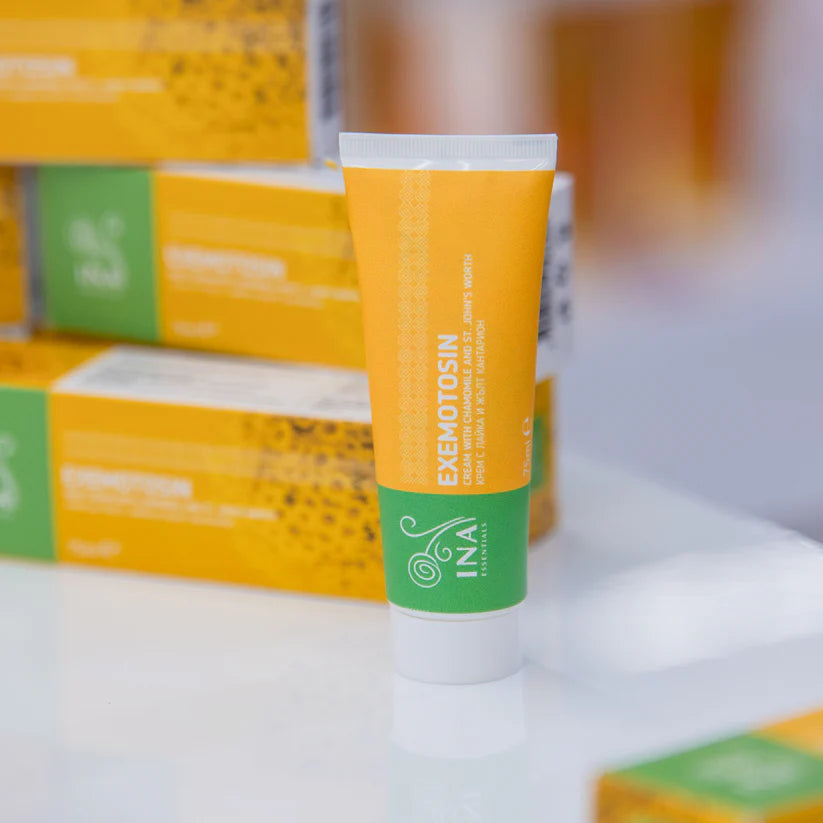
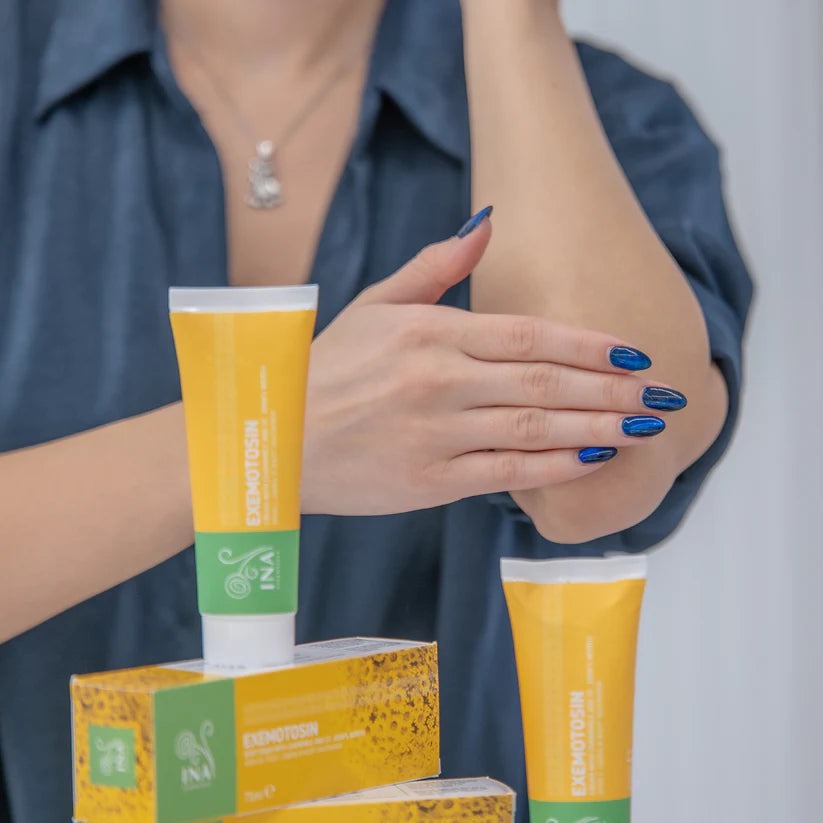
How Does the InaEssentials Soothing Cream Help?
When the skin reacts acutely, we need a formula that combines protective action with deep hydration.
The Synergy of St. John's Wort and Chamomile

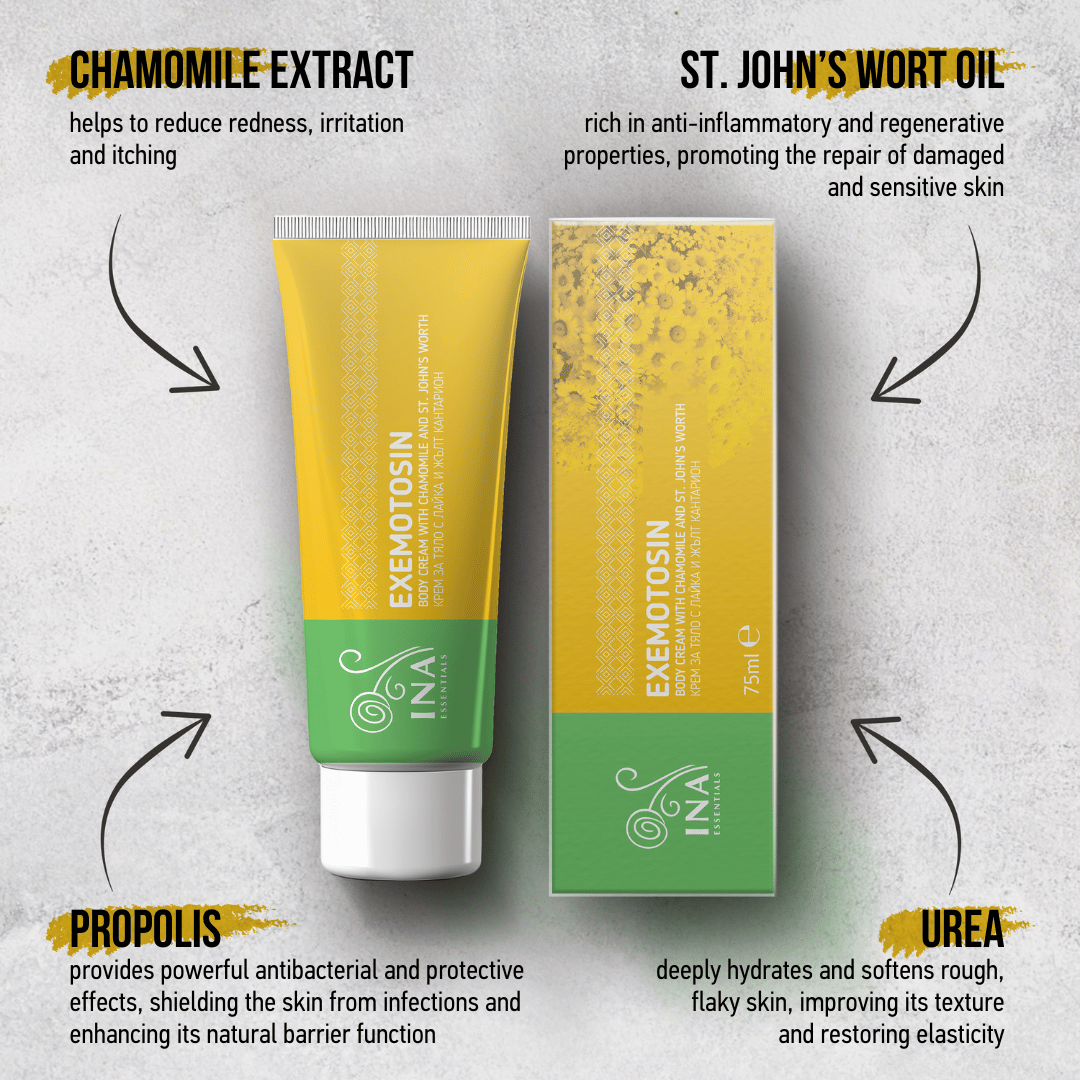
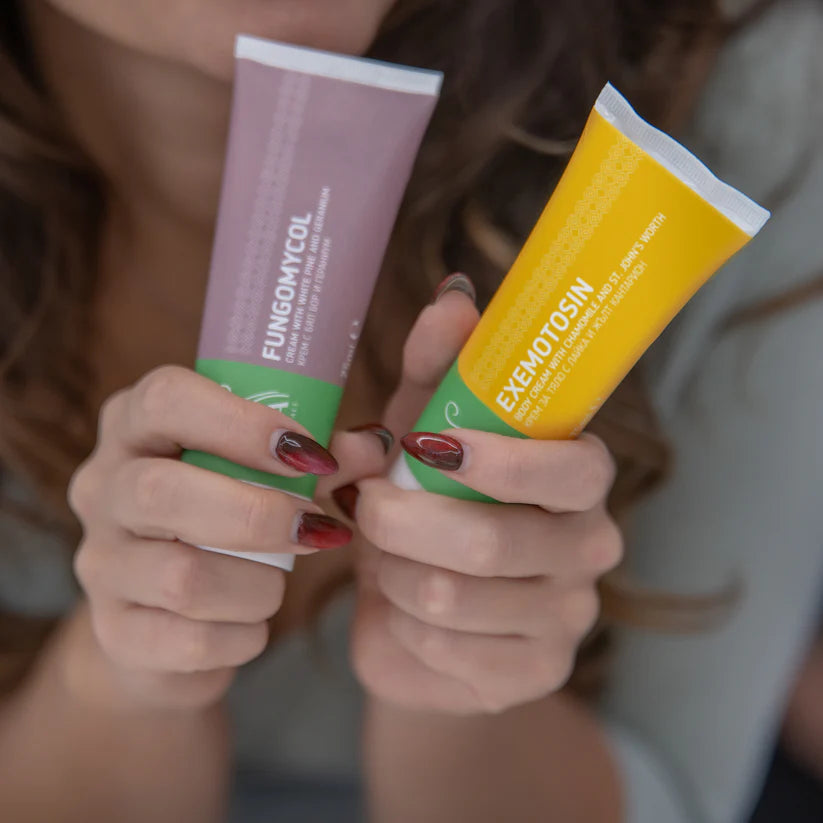
Our Soothing Cream was created precisely for this purpose. St. John's Wort supports regeneration, while chamomile soothes redness.
- ✅ Restores the barrier: Stops new allergens from penetrating.
- ✅ Soothes itching: Reduces the urge to scratch.
- ✅ Propolis protection: Shields damaged skin from bacteria.
Bring Relief Today
Don't let allergies dictate your comfort. Use the best of nature for external care.

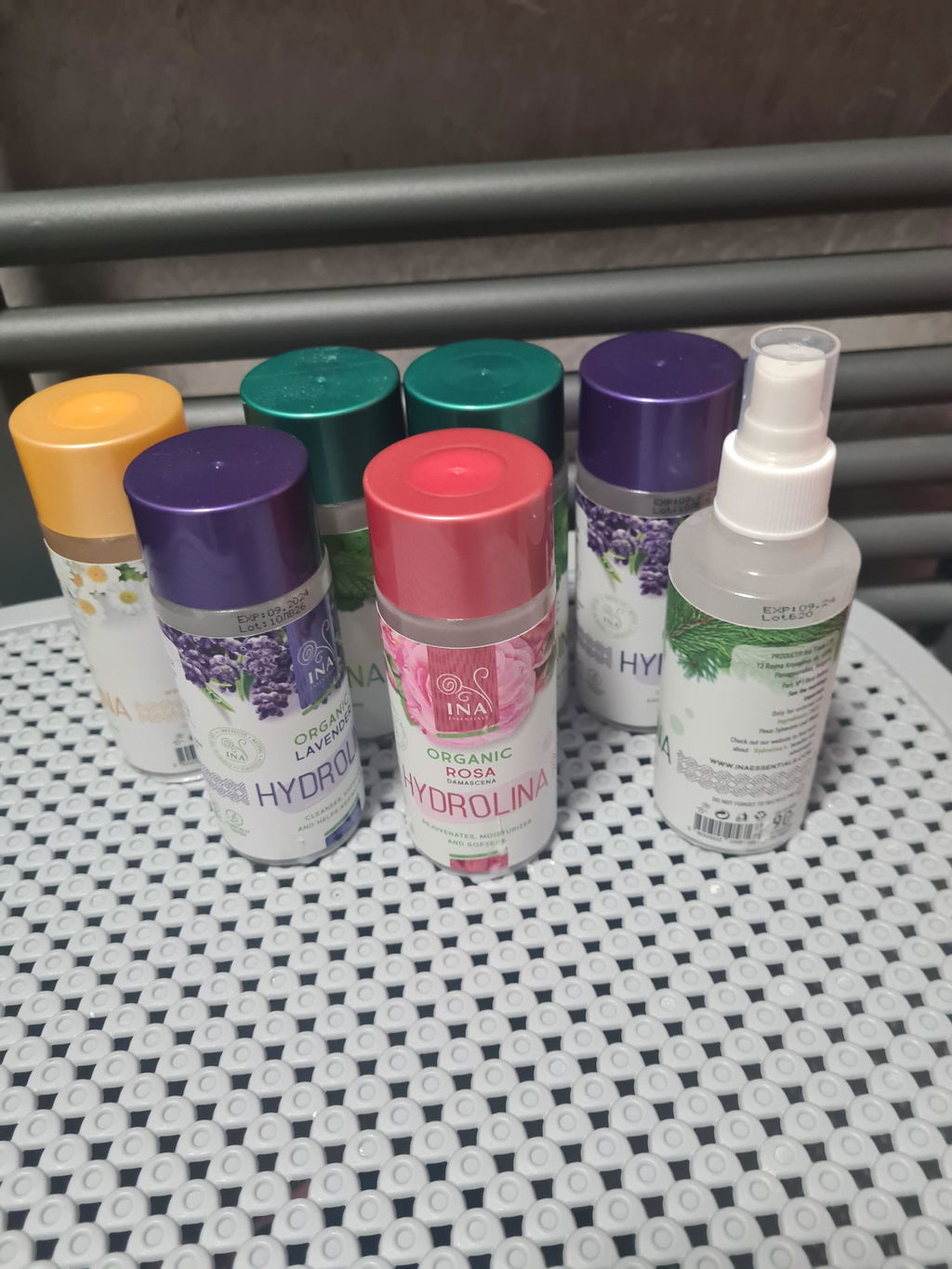
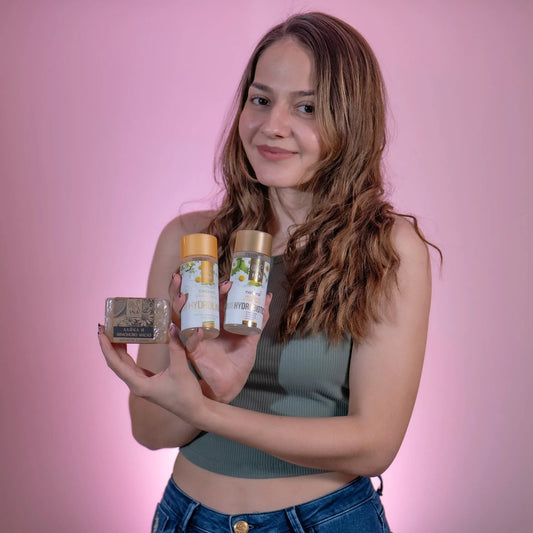
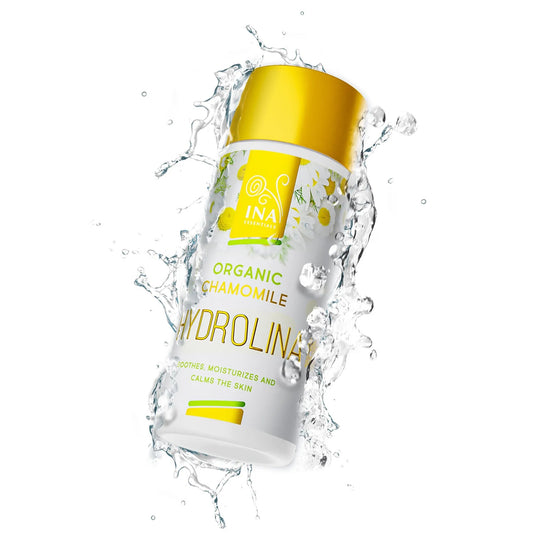
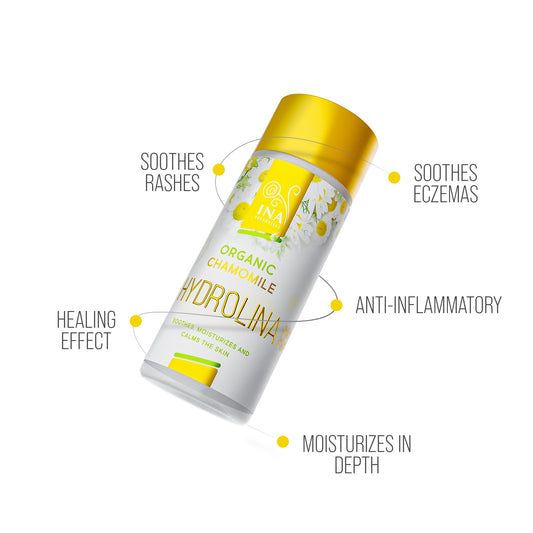
SEE THE COMBINATION WITH 2 FREE CHAMOMILE & MELISSA WATERS
"The cream is light, absorbs quickly and leaves no sticky residue... it smoothed out rough patches and calmed the redness." -Sarah Murphy ⭐⭐⭐⭐⭐
"After years of struggling with eczema on my hands… within 2 weeks my skin calmed down completely. I am absolutely delighted!" -Aoife O'Brien ⭐⭐⭐⭐⭐
Prevention and Long-Term Care
Managing atopic skin requires consistency. Here are a few tips:
Frequently Asked Questions
No. In most cases it is irritant (caused by external irritation). Allergic contact dermatitis is a specific immune response.
Yes. Since the barrier in eczema is "leaky", allergens easily cross it and trigger flare-ups.
Yes, the formula was created specifically for irritated skin. However, if you have a confirmed allergy to bee products, please patch-test first.
Restore Your Skin's Healthy Appearance
A natural solution for irritated, red, and itchy skin.
BUY SOOTHING CREAM